2026-06-12 09:24:22 焦点访谈 2761

People attend a fair celebrating the "pohui" festival in a Miao ethnic village of Rongshui Miao Autonomous County,冯博琴 交大新闻网 Liuzhou City, south China's Guangxi Zhuang Autonomous Region, March 7, 2026. (Xinhua/Huang Xiaobang)
At its core, China's approach underscores the importance of coordinated policymaking, long-term planning, and a results-oriented governance system.
y Maya Majueran
In 2021, China declared a landmark achievement: the eradication of absolute poverty, following a decades-long effort that lifted around 800 million people out of destitution. By most estimates, this accounts for more than three-quarters of global poverty reduction over the past few decades.
Yet extreme poverty remains a major global challenge. Governments across the developing world are striving to raise living standards and lift populations above the poverty line, but progress remains uneven.
Geopolitical tensions and rising protectionism in developed countries are making matters worse. Trade disputes, sanctions and fragmented supply chains are constraining export-driven developing economies. At the same time, tighter immigration policies are reducing remittance flows on which millions of poorer households depend.
Moreover, intensifying geopolitical competition is diverting attention and resources away from development cooperation. Aid budgets are under pressure, multilateral institutions are increasingly politicized, and coordinated global responses to poverty reduction are weakening. For developing countries already burdened by debt, climate vulnerability and fragile institutions, these external pressures are compounding existing challenges and deepening uncertainty.
So how did China achieve such a dramatic poverty reduction? Not through a rigid blueprint, but through a flexible, adaptive approach shaped by its own conditions -- one that combined long-term planning with pragmatic experimentation. Policies were often tested locally before being scaled up nationally, allowing for continuous learning, adjustment and refinement.
For the Communist Party of China (CPC), poverty eradication is deeply rooted in its founding mission to improve people's lives. The elimination of extreme poverty was also a foundational step toward the broader goal of "common prosperity." This has been accompanied by a strategic shift toward rural revitalization and human capital development, including greater investment in education and skills training.
At the center of this transformation was a shift away from broad, passive handouts toward a more precise model known as "Targeted Poverty Alleviation." China acknowledged that poverty takes many forms, each requiring a tailored response rather than a one-size-fits-all solution.
For people with the capacity to work, policies focused on industrial development and vocational training to generate self-sustaining growth. This helped move many from subsistence farming into skilled employment or entrepreneurship. For those living in geographically disadvantaged or remote areas, the state implemented large-scale relocation programs to bring communities closer to viable economic opportunities.
At the same time, individuals constrained by geography, disability, or age were supported through ecological compensation schemes and an expanded social protection system. This comprehensive strategy went beyond basic welfare, seeking to reshape the economic prospects of the most disadvantaged groups.
Millions of party cadres were assigned to villages, linking central policy goals with local implementation. Through strict "exit criteria" and household-level assessments, poverty alleviation was defined not as a nominal achievement, but as a measurable and sustained transition to improved living conditions.
In the early reform period, agricultural transformation was decisive. The introduction of the household responsibility contract system in the late 1970s gave farmers greater control over production and stronger incentives to increase output. This was supported by investments in irrigation, rural infrastructure, and market access, which boosted yields and rural incomes. As productivity improved, surplus labor gradually shifted from agriculture into non-farm activities.
China also promoted labor-intensive industrialization. Township and village enterprises absorbed large numbers of rural workers, providing employment close to home and easing early pressures for mass urban migration. As reforms deepened, export-oriented manufacturing -- particularly in coastal provinces such as Guangdong and Zhejiang -- created millions of jobs in sectors such as textiles, electronics and light industry. These industries, with relatively low entry barriers, allowed broad segments of the population to participate in economic growth.
Massive infrastructure investment reinforced this transformation. Roads, ports, and power networks connected rural and inland regions to domestic and global markets, reducing costs and enabling business expansion. Improvements in education and basic skills further supported labor mobility, allowing workers to transition into higher-productivity sectors.
While social assistance and targeted poverty alleviation programs played an important role, especially in later years, the core driver of poverty reduction remained employment and income growth. The poorest were not simply recipients of support; they were increasingly integrated into the productive economy. This combination of rising productivity, industrial expansion, and job creation helps explain the scale and speed of China's progress.
Yet China's experience does not amount to a one-size-fits-all model. Its development path was shaped by unique institutional, demographic, and historical conditions. Attempting to replicate it through imitation alone is unlikely to succeed.
Instead, China offers something more valuable than a blueprint: a set of principles. These include policy flexibility, experimentation, strategic sequencing of reforms, and a sustained focus on poverty reduction. For developing countries committed to ending poverty, China's experience provides useful insights -- provided they are adapted to local realities rather than adopted wholesale.
At its core, China's approach underscores the importance of coordinated policymaking, long-term planning, and a results-oriented governance system. Equally important is its emphasis on experimentation -- treating policy as a process of testing, learning and refining.
For developing countries, the real lesson is not to copy specific policies, but to build institutions capable of adapting strategies to their own conditions. China's experience serves less as a model to replicate than as a reference point, demonstrating what sustained commitment, pragmatic governance and context-sensitive reform can achieve over time.
Ultimately, China's experience: using data to identify the poor, creating jobs that include them in growth, holding officials accountable for results, and treating policy as something to be tested rather than fixed, can serve as a reference for the countries in need.
China's success shows that extreme poverty is not an incurable condition. But the path out of it cannot be copied wholesale; it must be shaped locally. The only universal constant is the willingness to experiment, measure outcomes, and adapt -- step by step.
Editor's note: Maya Majueran serves as the director of the Belt and Road Initiative Sri Lanka, an independent and pioneering organization with strong expertise in Belt and Road Initiative advice and support.
The views expressed in this article are those of the author and do not necessarily reflect those of Xinhua News Agency.

邓超予获授海南自贸港琼海文旅推广大使 助力海南文旅
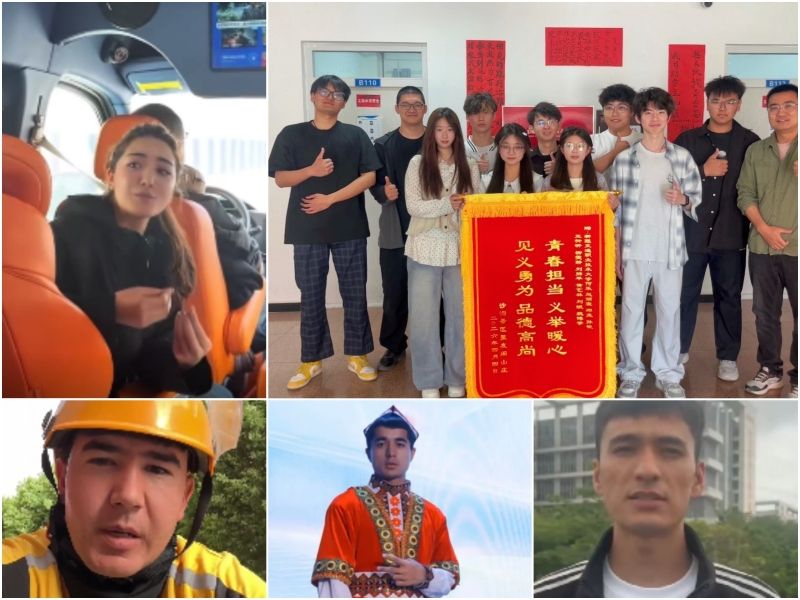
新疆走出一批“刷屏青年”

合肥市举办文艺创作研讨会和采风活动

《青春练习生》汪东城避谈吴尊 换衣服晒六块腹肌(图)
中国科大科技商学院正式开建

《天使的城》大结局 圆满夫妇马苏李晨恩爱KISS
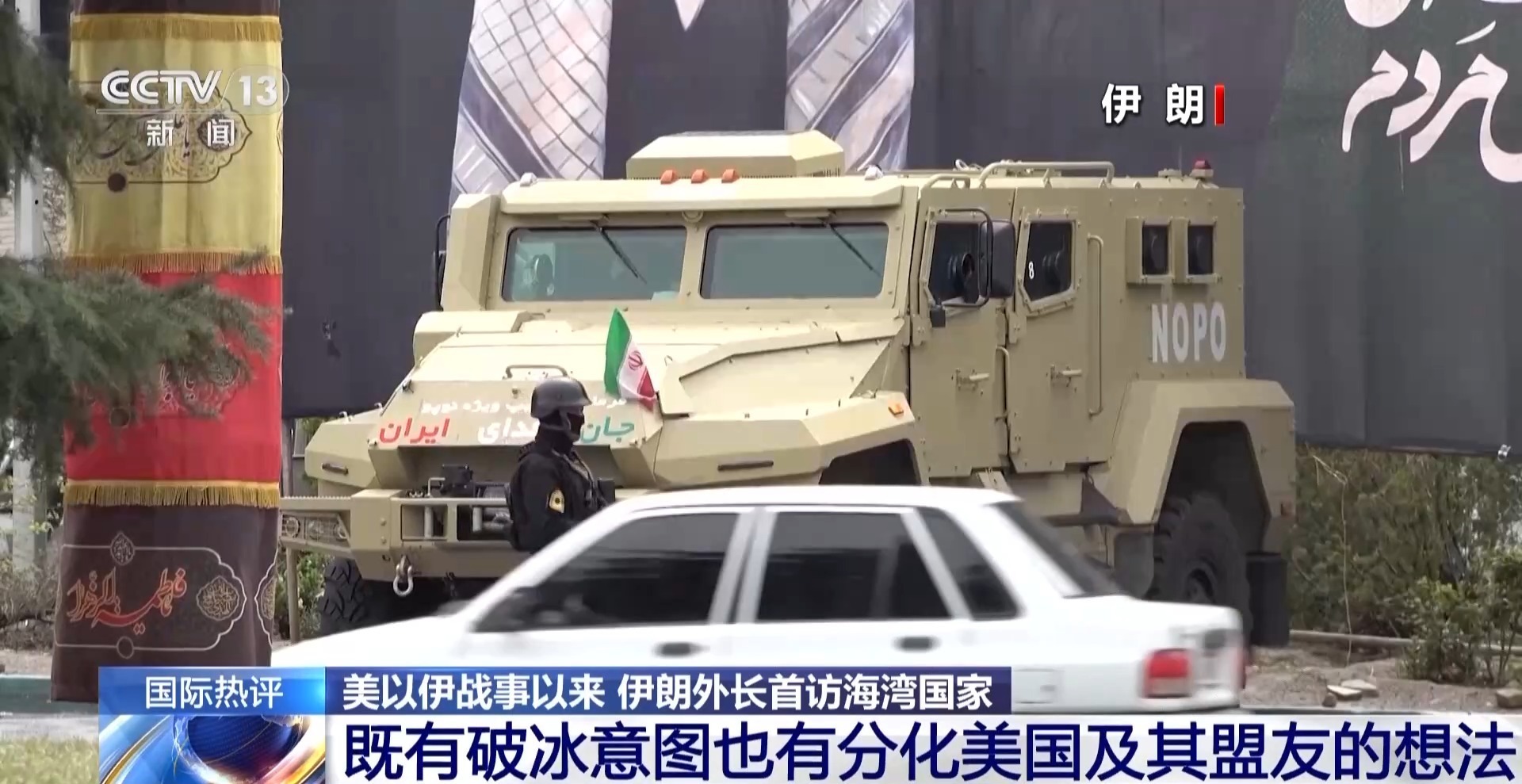
战事以来伊朗外长首访海湾国家 专家:反映其双重目标

郑州机场T2航站楼完工 下月将投入使用
徽风皖韵进基层文化站,让群众当好“主演”

盗取40余万部短文 浙江首起网络短文侵权案宣判

郑州暴雪用光1800吨融雪剂 或对环境造成影响
郑州机场T2航站楼完工 下月将投入使用

新春逛黄山许村:诗书传家,古村有戏更有味

魏晨女友于玮谭静资料照片起底 于玮曾是爱朵女孩成员
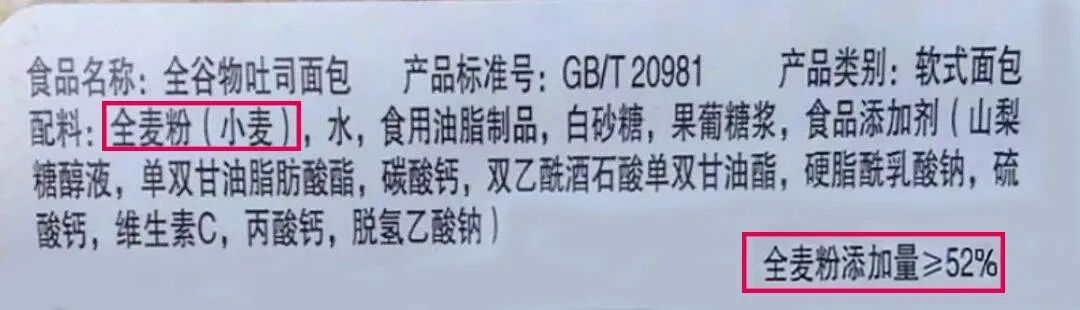
用这个方法只要6周,全身炎症水平都降低了

河南多条高速实行交通管制 京港澳连霍高速在内

纪念袁世海先生诞辰110周年座谈会在京举行
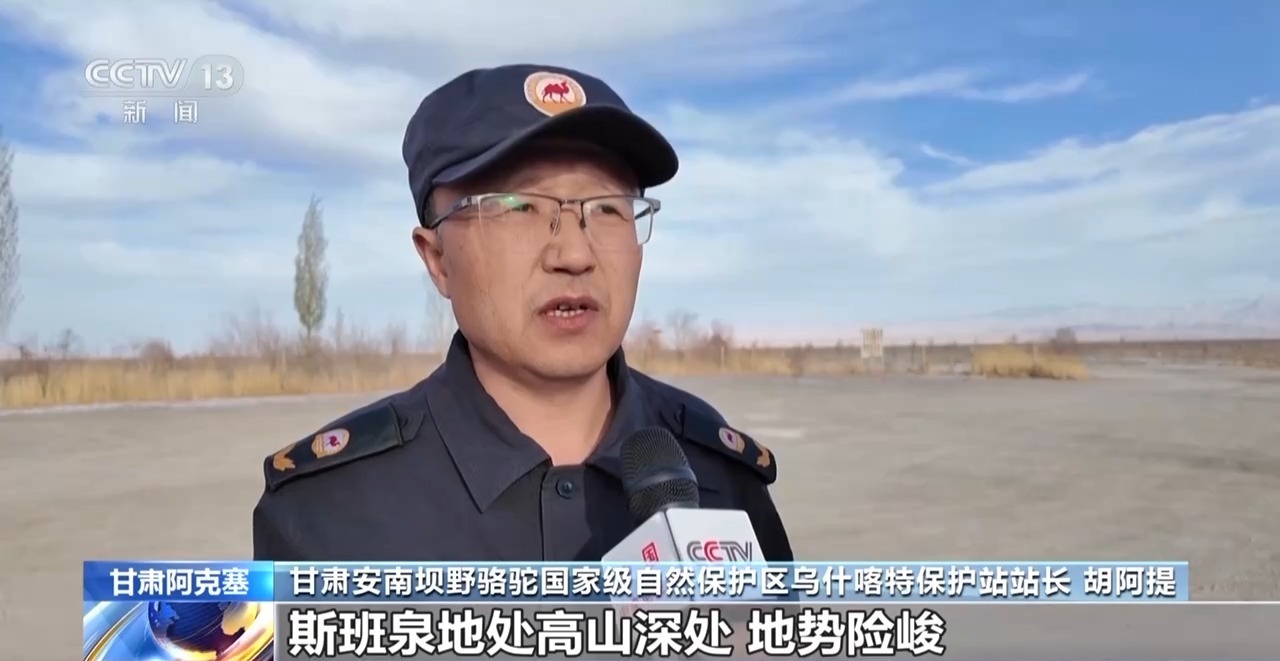
这群“荒漠精灵”迎来繁殖期 总台记者荒野探寻神秘踪迹

说法丨司法助力破产企业“破茧重生”
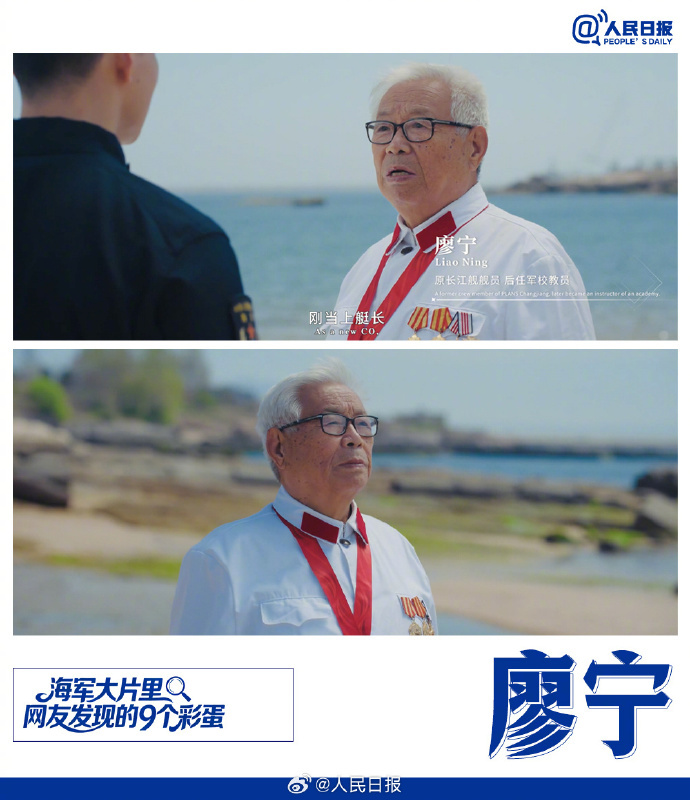
网友从海军大片连挖9个彩蛋
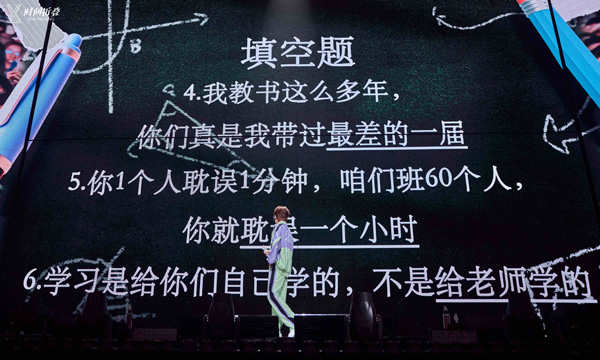
徐良巡演南昌站收官!匠心镌刻顶级视听,定格万众闪耀的青春篇章

台湾弹幕初体验 《冰血奇缘》用AR技术搞KUSO(图)

田园冬欢节助力乡村振兴
我省多条高速公路因大雾管制 7座以上客车禁行